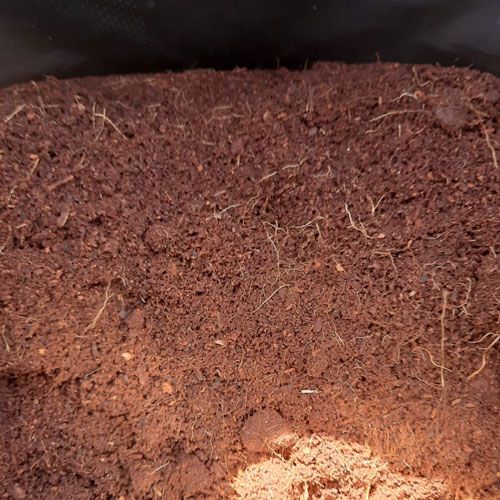
Description
What is Coconut Fibre?
Coconut fibre is one of three key coconut coir products. The fibre is the straw-like part of the coconut husk. Coconut peat or coconut pith is a finely ground product that looks a little peat moss. Finally, there are coconut chips, which look like wood chips and absorb moisture like clay pellets. Manufacturers sell coconut fibre in its natural state or woven into mats for lining window baskets and wire hanging planters. Like
all coconut coir products, coconut fibre has a relatively neutral pH level, so it’s suitable for growing a wide variety of different plants.
Coconut fibre adds air pockets to your growing medium. Those air pockets make sure oxygen can reach the plant’s roots and enhance drainage. Coconut fibre isn’t as absorbent as other coconut coir products, but it can still hold a decent amount of water. It gradually releases this water, so the plant’s roots stay hydrated without soaking and becoming prone to root rot and fungal diseases. It also contains a small
amount of potassium and phosphorous, which both help plants grow.
Using Coconut Fibre and Potting Soil in a Pot
People typically use a combination of coconut fibre and potting soil or a soilless alternative when they’re coco gardening with pots. Coconut fibre has trace minerals, but it’s not as rich in nutrients as natural soils. However, coconut fibre creates air pockets in the soil, which provide excellent drainage and space for roots to grow. Using coconut fibre and soil together gives growers the best of both worlds. Soilless
alternatives can take the place of potting soils when they’re enhanced with nutrient mixes.
Before using your coconut fibre for plants, soak it in some clean water for around 30 minutes. This will remove any salt in the fibre that could damage your plant’s roots. Quality coconut fibre brands will pre-soak their fibres before selling them. However, re-soaking your fibre protects you in case the manufacturer skipped this step.